
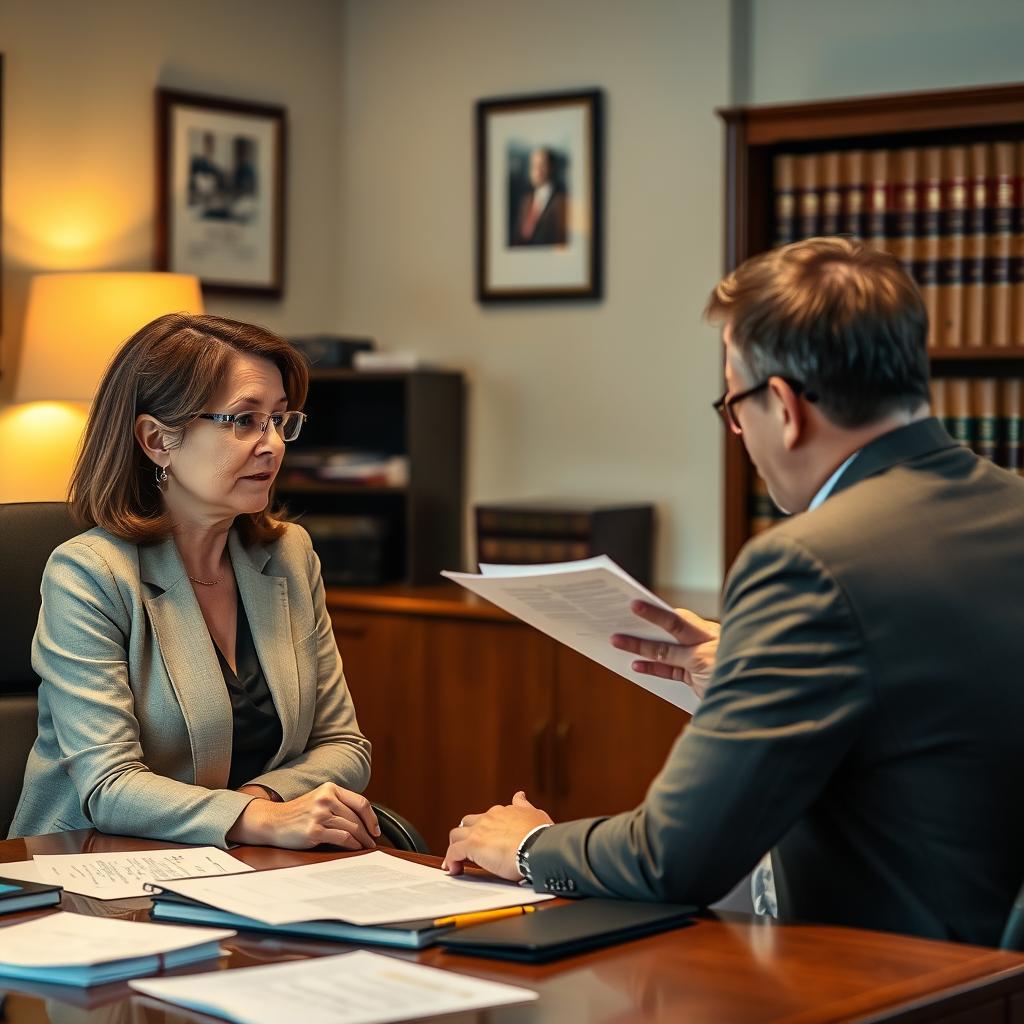
Refusal Lawyer Prince William County, VA
When a driver is arrested for DUI in Virginia and refuses to submit to a chemical breath or blood test, the refusal itself triggers serious legal consequences under the Commonwealth’s implied consent law. The police officer typically requests a breath sample after reading Virginia’s implied consent warning. A refusal is reported to the Virginia DMV, which initiates an administrative license suspension separate from the criminal DUI charge. In Prince William County, refusal matters are heard at the Prince William County General District Court, and the proceeding moves on a separate track from the underlying DUI case. A driver facing a refusal allegation in Manassas, Woodbridge, Dale City, Dumfries, Gainesville, Haymarket, Lake Ridge, Occoquan, or anywhere in Prince William County needs counsel who understands the evidentiary and procedural defenses available under Virginia law. At Law Offices Of SRIS, P.C., Mr. Sris and his Of Counsel team have handled traffic matters in Virginia since 1997 and represent drivers navigating refusal charges. Reach our firm at (888) 437-7747. Law Offices Of SRIS, P.C. — Advocacy Without Borders.
What Breath Test Refusal Means in Prince William County
Virginia’s implied consent statute provides that any person who operates a motor vehicle on a public highway is deemed to have consented to a chemical test of breath or blood following a lawful arrest for DUI. When a driver refuses to take the test, the officer completes a refusal report and sends it to the Virginia Department of Motor Vehicles. The DMV then enters an order of suspension against the driver’s license. For a first refusal, the suspension is an administrative civil penalty. A second refusal within ten years is a Class 2 misdemeanor, and a third refusal is a Class 1 misdemeanor. The refusal charge is a separate legal matter from the DUI prosecution; it creates an independent suspension and potential criminal penalties that do not depend on the outcome of the DUI case. In Prince William County, refusal matters are adjudicated at the Prince William County General District Court, located at 9311 Lee Avenue, Suite 230, Manassas, VA 20110. The court hears refusal cases on the traffic docket, and the Commonwealth must prove that the stop was lawful, the arrest was valid, and the officer properly advised the driver of the implied consent warning.
Beyond the immediate license suspension, a refusal conviction can affect employment, insurance rates, and driving privileges for years. For commercial drivers, the consequences are even more severe because a refusal while operating a commercial vehicle triggers a disqualification of the commercial driver’s license under Virginia’s CDL provisions. Many drivers in Prince William County commute on I-95, Route 234, and Route 1, and a suspension can disrupt daily life significantly. Mr. Sris and his Of Counsel understand these practical concerns and work to challenge refusal allegations through procedural defenses, negotiating with the Commonwealth’s Attorney, and presenting mitigating circumstances to the court.
How Mr. Sris and His Of Counsel Handle Refusal Cases
Every refusal case begins with a careful review of the traffic stop and the implied consent admonishment. Law enforcement must follow precise steps: the officer must have probable cause to arrest for DUI, administer the implied consent warning in the exact language required by statute, and accurately document any refusal. If the stop was unsupported by reasonable suspicion or the arrest lacked probable cause, the refusal may be challenged on constitutional grounds. Similarly, if the officer did not properly read the implied consent form or failed to clarify the consequences of refusing, the refusal finding can be contested.
Mr. Sris and his Of Counsel examine the police report, the dashcam or body‑worn camera footage, and the calibration records of any preliminary breath test device used at the roadside. In Prince William County General District Court, a refusal hearing is typically a bench trial where the prosecution must prove its case beyond a reasonable doubt. The defense may present evidence of the driver’s medical conditions, language barriers, or confusion that prevented a knowing refusal. Where appropriate, counsel may negotiate with the Commonwealth’s Attorney for a resolution that minimizes the impact on the client’s license and record. The firm’s attorneys are experienced in Virginia traffic and DUI litigation and use their understanding of Prince William County court practice to work toward a favorable outcome.
About Mr. Sris and His Of Counsel Team
Mr. Sris, Owner and Founder of Law Offices Of SRIS, P.C., is a former prosecutor who has practiced law since 1997. He is admitted in Virginia, Maryland, the District of Columbia, New Jersey, and New York. His background gives him insight into how law enforcement and the Commonwealth’s Attorney build their cases, which informs the firm’s approach to refusal defense. The firm’s Of Counsel team includes attorneys with prosecutorial and law enforcement experience, including a former Virginia State Trooper and a former Maryland Assistant State’s Attorney, who collectively bring over 120 years of combined legal experience and have handled 4,739+ documented firm-wide results. Results may vary. That depth of experience is applied to each refusal matter to develop a thorough defense strategy.
Frequently Asked Questions
How does a Virginia lawyer defend against a breath test refusal charge in Prince William County?
Defense strategies begin with examining whether the arresting officer had reasonable suspicion to make the traffic stop and probable cause to arrest for DUI. If either is lacking, the refusal finding can be challenged. The firm also reviews whether the implied consent warning was properly administered and whether the driver actually refused, was incapable of refusing, or was confused. In Prince William County General District Court, Mr. Sris and his Of Counsel present evidence such as video recordings, calibration records, and witness testimony to contest the refusal allegation. They also work to negotiate with the Commonwealth’s Attorney for a resolution that protects the client’s driving privileges.
What are the penalties for refusing a breath test in Virginia?
Under Virginia law, a first refusal is a civil violation and triggers a one‑year license suspension. A second refusal within ten years is a Class 2 misdemeanor, carrying possible jail time and additional suspension. A third refusal is a Class 1 misdemeanor with higher penalties. The DMV imposes the suspension administratively, separate from any DUI outcome. A refusal also affects the driver’s DMV demerit point record. In Prince William County, these matters are heard at the General District Court, and the judge determines whether the refusal was unjustified.
Should I refuse a breath test if I am pulled over in Prince William County?
Virginia’s implied consent law means refusing a breath test after a lawful DUI arrest triggers an automatic license suspension. Deciding whether to refuse is a personal choice, but the legal consequences are serious. Consulting an attorney as soon as possible after an arrest is important because the refusal report must be challenged quickly. Mr. Sris and his Of Counsel can explain the potential outcomes and help you understand your options before any court date. The firm can also advise on whether a refusal was properly reported and whether any defenses exist.
Can a refusal charge be fought in Prince William County General District Court?
Yes. A refusal charge is a separate legal proceeding from the DUI case, and the Commonwealth must prove that the refusal occurred beyond a reasonable doubt. Defenses include challenging the stop, the arrest, or the manner in which the implied consent warning was given. Medical or language issues that prevented a knowing refusal are also relevant. Mr. Sris and his Of Counsel have experience handling refusal matters in Prince William County and know how to present these defenses effectively in front of the court.
What should I do after being charged with refusal in Prince William County?
Contact an attorney promptly. The DMV suspension process moves quickly, and you have a limited time to request an administrative hearing or contest the refusal in court. Do not discuss the case with anyone except your lawyer. Preserve any evidence, including phone records, witness names, and any documentation that may support your account. A traffic attorney can review the police report and the implied consent procedures to determine the strong $1. Law Offices Of SRIS, P.C. can be reached at (888) 437-7747 to schedule a consultation.
Do I need a lawyer for a breath test refusal charge?
Retaining a lawyer is strongly recommended. A refusal charge can result in a lengthy license suspension and, for repeat offenses, jail time. An experienced attorney can identify weaknesses in the Commonwealth’s case, cross‑examine the arresting officer, and present mitigating evidence. Without legal representation, a driver may miss critical procedural defenses that could lead to a dismissal or reduction of the refusal finding. To discuss your specific situation, contact Law Offices Of SRIS, P.C. at (888) 437-7747.
Related Prince William County Traffic Defense Pages
Fairfax County Traffic Lawyer |
Stafford County Traffic Lawyer |
Loudoun County Traffic Lawyer |
Arlington County Traffic Lawyer |
Fauquier County Traffic Lawyer
Official Virginia Legal Resources
Virginia Implied Consent Statute ·
Virginia Courts ·
Virginia Motor Vehicle Code
Law Offices Of SRIS, P.C.
Fairfax Location — 4008 Williamsburg Court, Fairfax, VA 22032
(703) 636-5417 | (888) 437-7747
Attorney advertising. Prior results do not guarantee a similar outcome. Results may vary.
Case results depend on a variety of factors unique to each case.